
Ramayana Trail in Sri Lanka
Introduction
Sri Lanka — known in ancient texts as Lanka — is where the great Hindu epic Ramayana came to life. This is the island where King Ravana ruled, where Sita Devi was held captive, and where Lord Rama fought his greatest battle. The Ramayana Trail in Sri Lanka takes you through this living legend — visiting sacred temples, ancient caves, mystical gardens, and divine shrines that have stood for thousands of years.
On your Ranweli Tours Ramayana package, you will visit the most important sites across the island — from the misty highlands of Nuwara Eliya to the ancient temples of Trincomalee on the east coast, and from the hill country of Ella to the sacred shores of Mannar. Every place has a story. Every location is alive with faith, history, and mythology.
Below is a complete guide to all 15 sacred Ramayana destinations that may be visited as part of your Ranweli Tours package, depending on your chosen itinerary duration.
Sacred Places of the Ramayana Trail
Seetha Amman Temple (Ashok Vatika)
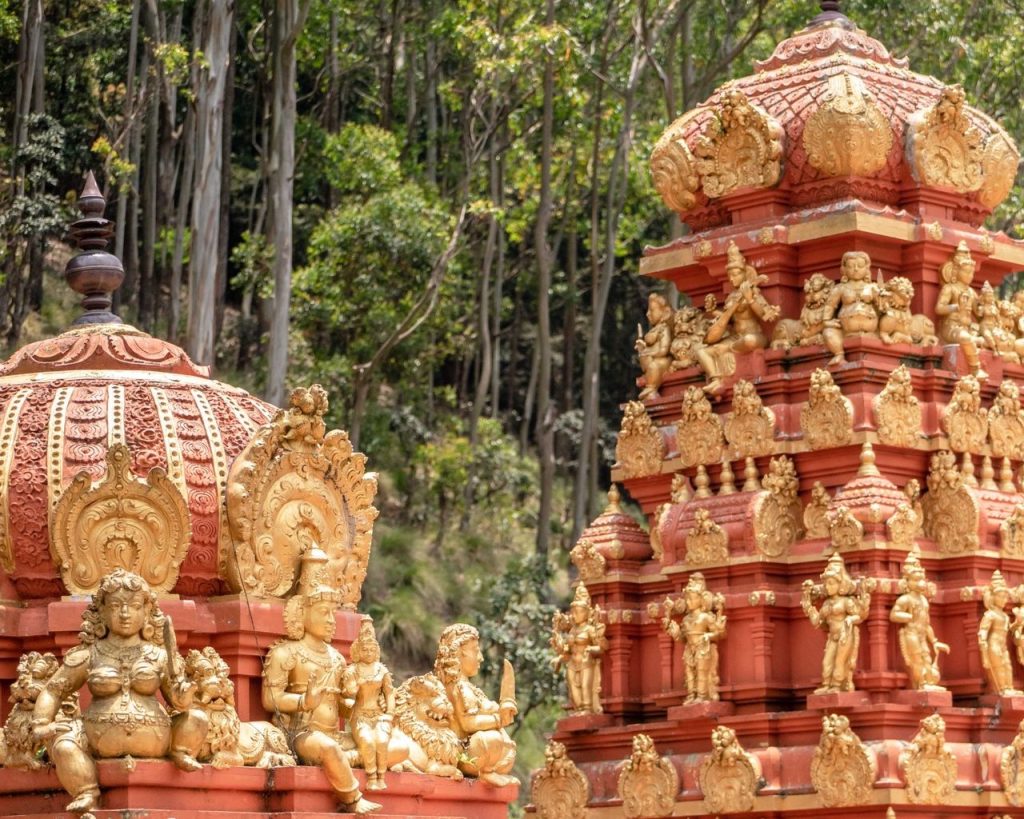
Location: Seetha Eliya, Nuwara Eliya — in the cool misty highlands of Sri Lanka
Story: This is the most sacred and most visited site on the entire Ramayana Trail. It is believed to be the garden — Ashok Vatika — where King Ravana held Sita Devi captive after bringing her from India. The temple stands beside a small stream where legend says Sita used to bathe. You will see beautifully carved statues of Lord Rama, Sita Devi, Lakshmana, and Lord Hanuman inside the temple. The atmosphere is deeply spiritual and peaceful, surrounded by tea plantations and mountain mist.
Why Visit: This is the heart of the entire Ramayana Trail. Devotees perform prayers (puja) at the temple, and many visitors feel a deep emotional connection to this place. The setting — between misty mountains and flowing water — is also breathtakingly beautiful. Do not miss this on any package.
Hakgala Botanical Garden
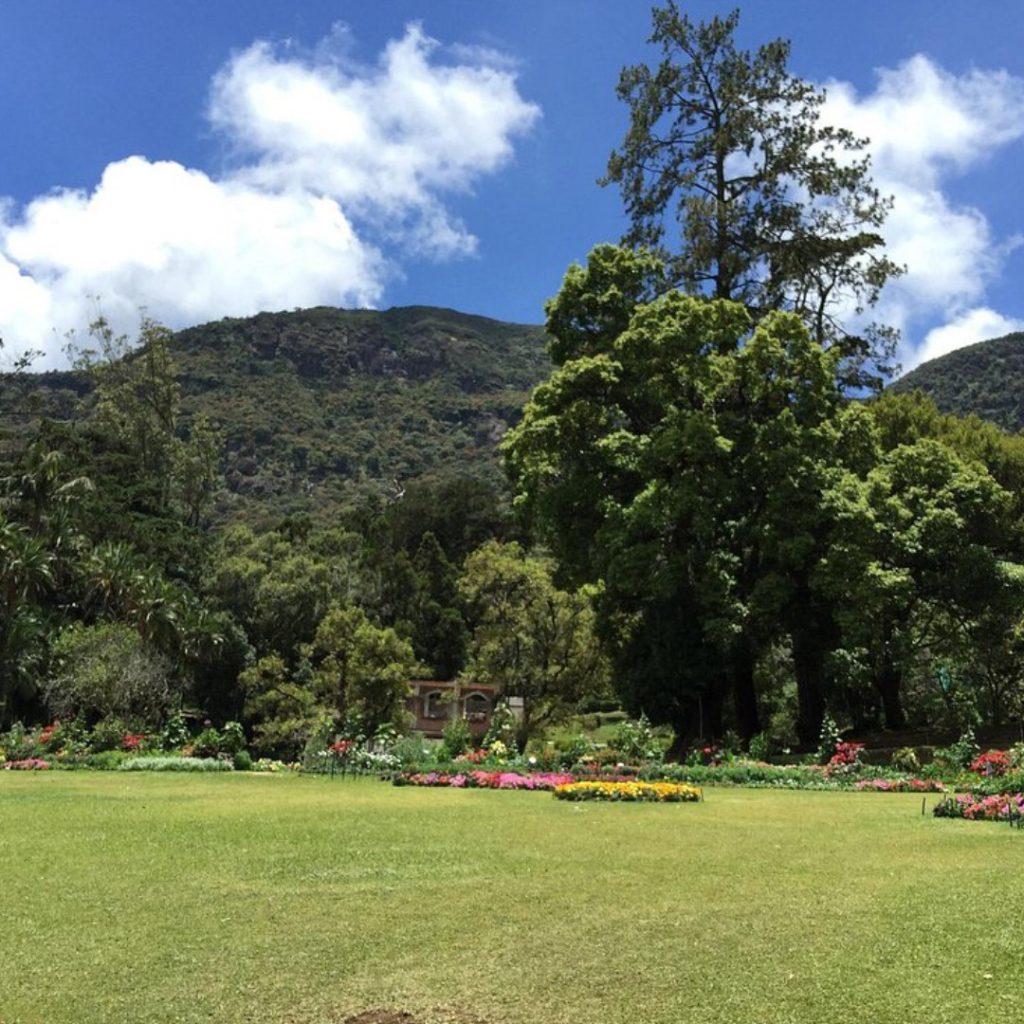
Location: Nuwara Eliya, Hill Country — adjacent to Seetha Eliya
Story: The Hakgala Botanical Garden is believed to be the remains of King Ravana’s pleasure garden — one of his most prized royal gardens. According to Ramayana legend, this is part of Ashok Vatika where Sita Devi spent time in captivity. The garden was later expanded during the British colonial period and today contains over 10,000 plant species including an extraordinary collection of orchids, roses, ferns, and spice trees. A giant rock (Hakgala Rock) towers over the garden, giving it a dramatic, ancient presence.
Why Visit: Even visitors who are not religious are spellbound by Hakgala’s beauty. It combines spiritual Ramayana heritage with one of Sri Lanka’s finest botanical collections. It is located just minutes from Seetha Amman Temple, making it a natural pairing for a single day visit.
Divurumpola
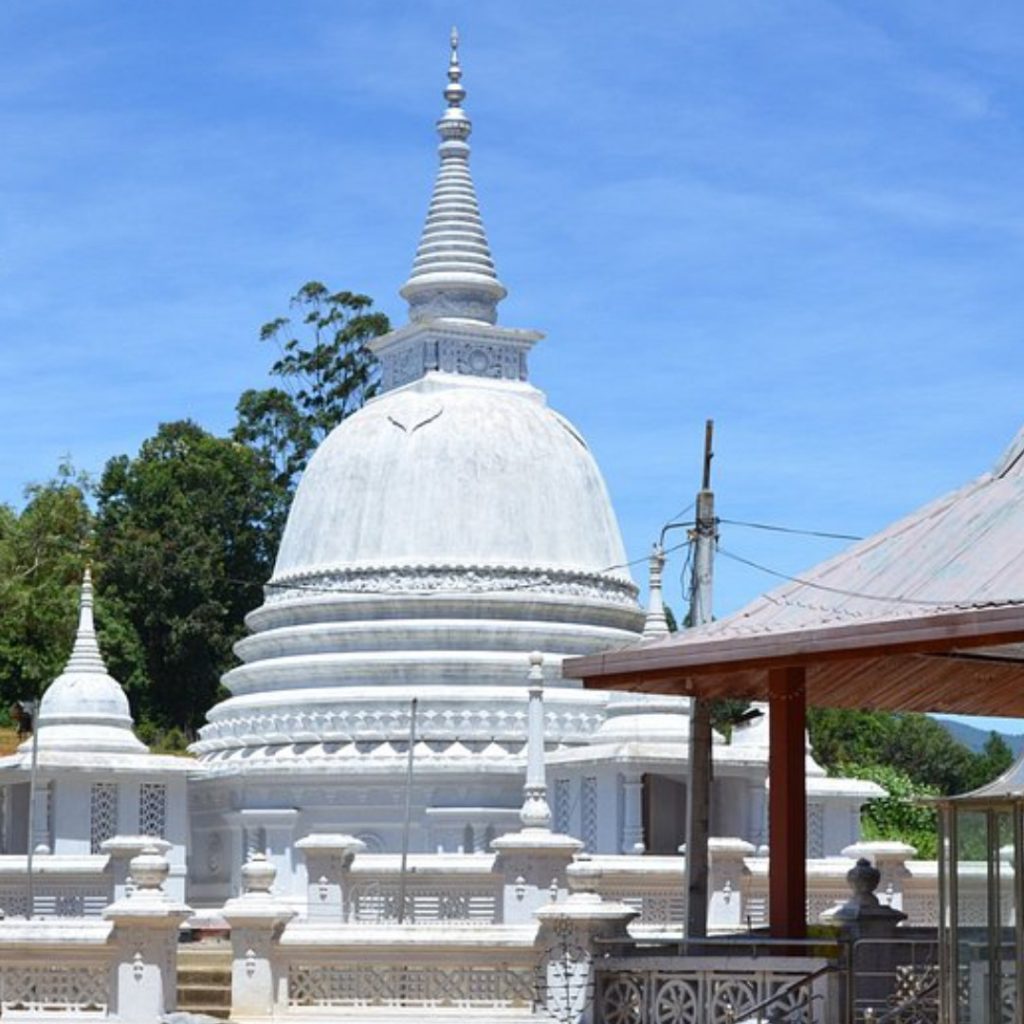
Location: 15 km from Seetha Eliya on the Nuwara Eliya – Welimada Road
Story: Divurumpola is where, according to Ramayana, Sita Devi underwent Agni Pariksha — the sacred fire test — to prove her purity to Lord Rama after being rescued from Ravana. The name Divurumpola literally means ‘place of oath’ in Sinhala. This is a functioning Hindu temple and also a revered Buddhist shrine, showing how Ramayana has been absorbed into Sri Lankan culture across both religions. Locals still come here to make oaths and take sacred vows at this site.
Why Visit: Divurumpola is deeply moving for Hindu devotees — it is the spot where Sita proved her faithfulness. It also shows the beautiful inter-religious harmony of Sri Lanka, where the same holy site is respected by both Hindus and Buddhists.
Ravana Falls & Ravana Cave

Location: Ella — a dramatic mountain village in the Southern Hill Country
Story: The Ravana Falls is one of Sri Lanka’s most spectacular waterfalls, cascading 25 metres down a towering cliff face. Near the falls, cut into the rock, is the Ravana Cave — believed to be where King Ravana hid Sita Devi before moving her to Ashok Vatika. According to tradition, there are underground passages in this cave that connect to other parts of Sri Lanka. The cave entrance is marked and local guides share the ancient stories. Ella itself is a stunning village with panoramic views and is one of Sri Lanka’s most popular visitor destinations.
Why Visit: The combination of the dramatic waterfall, the mysterious cave, and the beautiful landscape of Ella makes this one of the most memorable stops on the entire trail. Even outside the Ramayana context, Ella and Ravana Falls are must-see Sri Lanka attractions.
Cobra Hooded Cave
Location: Sigiriya — near the famous Lion Rock fortress
Story: This ancient cave near Sigiriya takes its name from its unique cobra-hood shape. Tradition states that Sita Devi was held here during part of her captivity under King Ravana. The cave walls are decorated with fascinating prehistoric paintings and rock inscriptions, some dating back over 2,000 years. The cave is set within the dramatic landscape of Sigiriya, one of UNESCO’s most celebrated world heritage sites — meaning visitors can combine the Ramayana site with a visit to the iconic Sigiriya Rock Fortress on the same day.
Why Visit: The Cobra Hooded Cave connects two great stories — the ancient Ramayana trail and the prehistoric history of Sri Lanka. The prehistoric cave art is fascinating and the cave’s connection to Sigiriya Rock makes for a rich, full day of history and mythology.
Manavari Temple
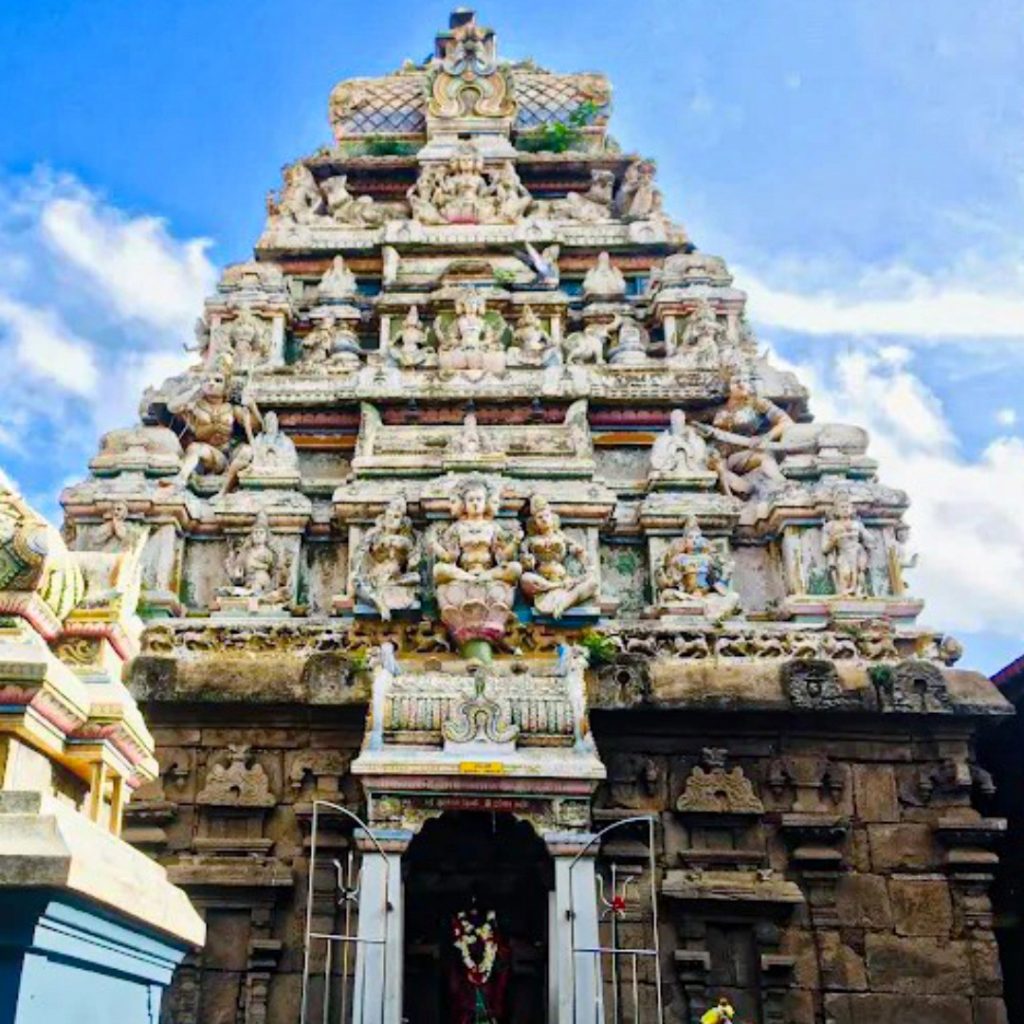
Location: Chilaw, North Western Coast of Sri Lanka
Story: Manavari is believed to be the first place where Lord Rama set foot on Sri Lankan soil after crossing the sea from India. This sacred Hindu temple is dedicated to Lord Rama — and it is one of the very few temples in the world dedicated specifically to Lord Rama as the main deity (not just as part of a broader pantheon). Devotees travel from across India and Sri Lanka to worship here. Regular pujas are conducted, and the atmosphere is one of intense devotion and spiritual energy.
Why Visit: For Hindu pilgrims, Manavari Temple holds the highest emotional significance — it is where Lord Rama arrived in Lanka. The temple’s dedication specifically to Lord Rama makes it unique and particularly important for Rama devotees. Puja at this temple is a deeply meaningful spiritual experience.
Munneswaram Temple
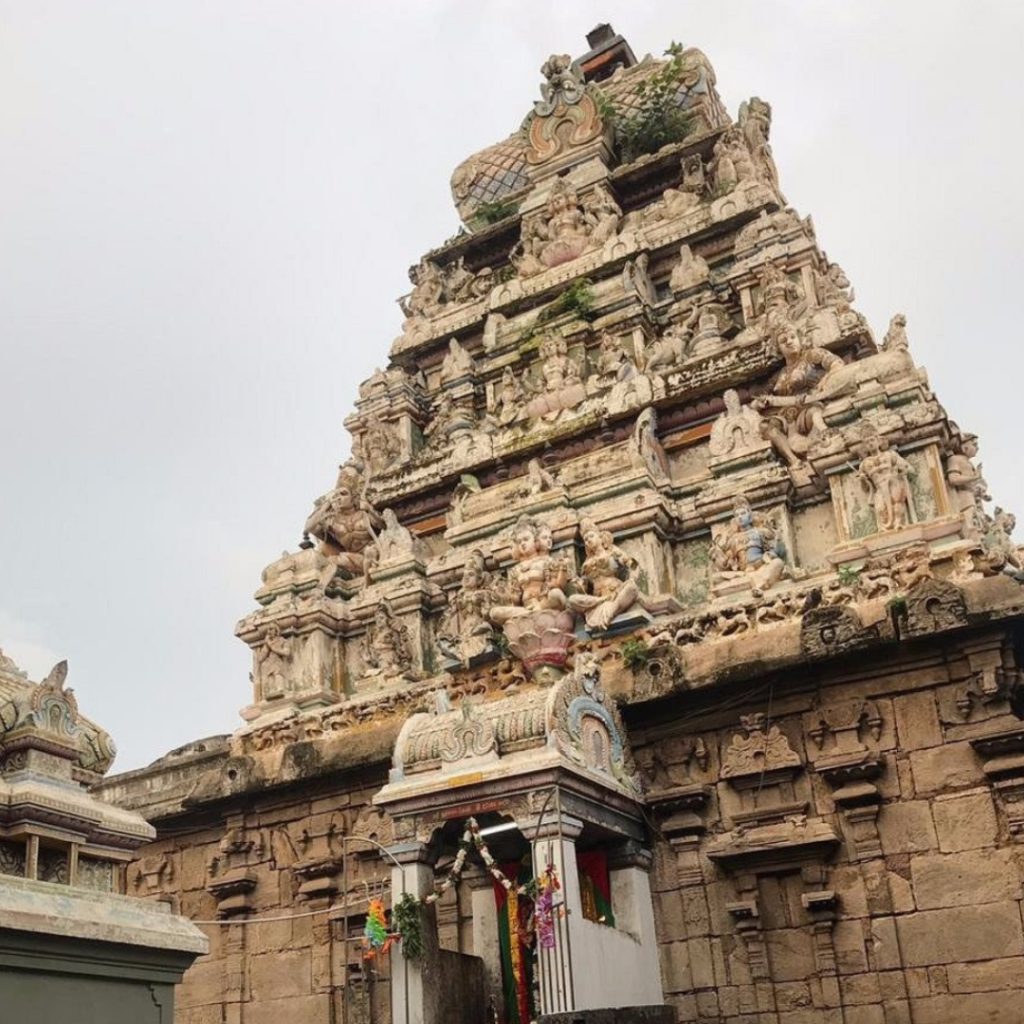
Location: Munneswaram, near Chilaw — North Western Province
Story: Munneswaram is one of the five great Shiva temples of Sri Lanka and one of the oldest and most important temples on the island. According to Ramayana, after defeating King Ravana, Lord Rama worshipped Lord Shiva at this very site to cleanse himself of the sin of killing a Brahmin (Ravana was considered a Brahmin scholar). The temple has been a place of worship for over 3,000 years and is a major pilgrimage site for both Hindus and Buddhists. The temple complex includes several shrines and is active with daily devotional ceremonies.
Why Visit: Munneswaram is not just a Ramayana site — it is one of Sri Lanka’s greatest religious treasures. The combination of its Ramayana story, ancient history, and active living worship makes it one of the most spiritually powerful stops on the trail.
Thiru Koneswaram Temple

Location: Trincomalee, East Coast — on a dramatic ocean cliff overlooking the sea
Story: Thiru Koneswaram is one of the Pancha Ishwarams — the five most sacred Shiva temples in Sri Lanka. It stands dramatically on Swami Rock, a cliff overlooking the deep blue Indian Ocean in Trincomalee harbour. According to both Ramayana and other Hindu texts, this is where Ravana himself worshipped Lord Shiva and received his great powers. The temple was partially destroyed by Portuguese colonists in the 17th century, but has been beautifully restored. Pilgrims come from across India and Sri Lanka to worship here.
Why Visit: Thiru Koneswaram is visually one of the most breathtaking religious sites in all of Sri Lanka — a golden temple rising from an ocean cliff. It carries the double significance of being a Ramayana site (Ravana worshipped here) and one of Sri Lanka’s most sacred Shiva temples. The sunset views from Swami Rock are unforgettable.
Kanniya Hot Springs
Location: Kanniya, near Trincomalee — East Coast
Story: Kanniya is home to seven naturally heated wells, each at a slightly different temperature, believed to have existed for thousands of years. The most popular Ramayana legend says that when King Ravana’s mother died, he was unable to find water to perform her final funeral rites. In his grief and rage, Ravana struck the earth seven times with his Trishula (trident) and seven springs of warm water burst forth. Hindus and Buddhists both consider this a sacred spot. It is also a popular local bathing site, and visitors can feel the warm spring water themselves.
Why Visit: Kanniya Hot Springs offers a rare and memorable experience — bathing or touching the warm sacred waters connected to King Ravana’s grief. The atmosphere is peaceful and spiritual, and the story of Ravana’s love for his mother makes this one of the most humanising and touching stops on the trail.
Shankari Devi Temple (Trincomalee)
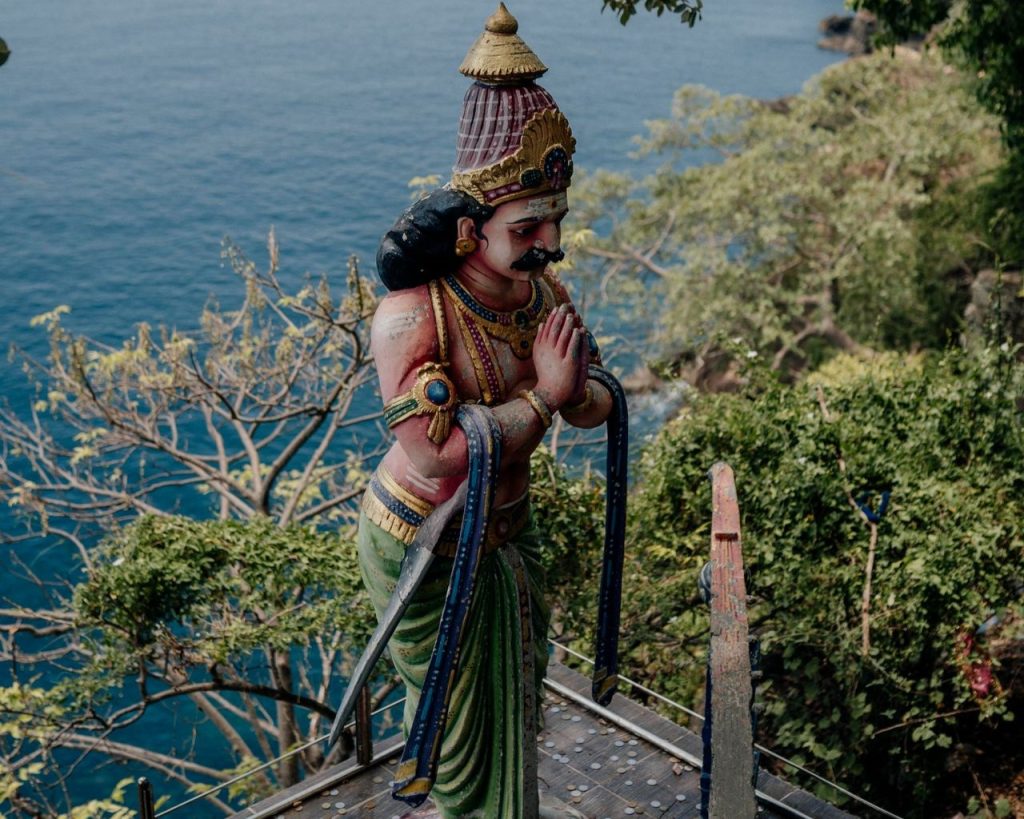
Location: Trincomalee, East Coast
Story: Shankari Devi Temple in Trincomalee is an important Hindu shrine dedicated to the goddess Shankari (a form of Parvati). In Ramayana legend, this site holds significance as one of the areas where the divine energy of the goddess is strongly present. The temple is an active place of worship with regular pujas and festivals, drawing devotees from the Tamil Hindu community of the East Coast. Colourful gopurams (temple towers) and the sound of temple bells create a deeply devotional atmosphere.
Why Visit: Shankari Devi Temple gives visitors an authentic experience of living Hindu devotion on Sri Lanka’s East Coast. It is especially meaningful for female devotees and pilgrims. The combination with Koneswaram Temple and Kanniya Hot Springs makes Trincomalee one of the most spiritually rich destinations on the entire trail.
Ussangoda

Location: Southern Coast of Sri Lanka, between Hambantota and Ambalantota
Story: Ussangoda is a mysterious, otherworldly coastal plateau — a flat, reddish-brown land that stands out sharply against the green landscape around it. Legend says this is the place where Ravana’s airport (Usangoda) was located — from where his legendary flying chariot Pushpaka Vimana took off and landed. The land here is almost devoid of vegetation, and the unusual red colour of the earth is said to be the result of fire used during the battles of the Ramayana. The site also holds scientific interest as the red soil contains elevated levels of metal minerals.
Why Visit: Ussangoda is unlike anywhere else in Sri Lanka — and unlike anywhere in the world. The combination of its eerie beauty, its Ramayana legend (Ravana’s airport!), and the dramatic coastal scenery makes it a fascinating and memorable visit. It particularly appeals to visitors interested in the historical geography of the Ramayana.
Mannar — Adam's Bridge (Ram Setu)
Location: Mannar Island, North Western Sri Lanka — facing India
Story: Mannar and the chain of sandbanks extending towards India are identified as Adam’s Bridge — or Ram Setu — the bridge that Lord Rama ordered his army of Vanaras (monkeys) to build across the sea to Lanka. The shallow sea between Sri Lanka and India can still be seen from satellite images showing the submerged chain of limestone shoals. This is one of the most significant Ramayana geographical sites in the world. Visiting Mannar gives you the extraordinary feeling of standing at the place where the epic journey from India to Lanka began.
Why Visit: Standing at Mannar and looking across the sea towards India — knowing this is where the great bridge was built — is a profoundly moving experience for any Ramayana devotee. This is where the legend became reality. The vast open sea, the ancient baobab trees of Mannar, and the spiritual atmosphere make this a uniquely powerful destination.
Dolukanda

Location: Near Kurunegala, North Western Province
Story: Dolukanda is a prominent rocky mountain in the Kurunegala area, connected to one of the most dramatic moments of the Ramayana — the bringing of the Sanjeevani herb. During the great war, both Lord Rama and Lakshmana were struck by powerful arrows and fell unconscious. Lord Hanuman was sent to the Himalayas to find the life-giving Sanjeevani herb. Unable to identify the correct herb, Hanuman lifted the entire mountain and carried it across Sri Lanka. Dolukanda is one of the places where fragments of that mountain are believed to have fallen, and unusual medicinal herbs are still found growing here.
Why Visit: Dolukanda connects you to Lord Hanuman’s greatest act of devotion — carrying a mountain to save Lord Rama and Lakshmana. The site holds deep emotional significance for Hanuman devotees and those who revere the story of Rama and Lakshmana’s friendship. The quiet, forested mountain setting is also peaceful and scenic.
Kathirkamam (Kataragama)
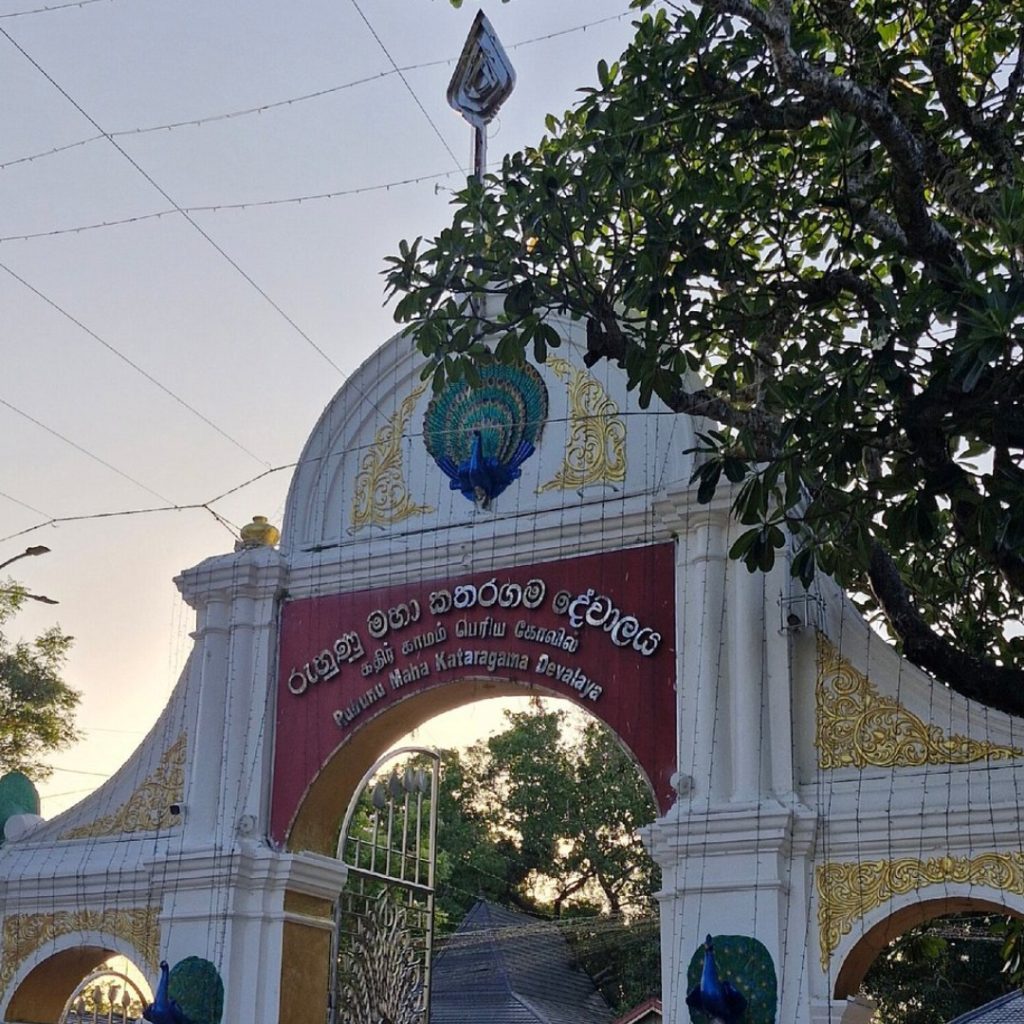
Location: Kataragama, Southern Sri Lanka
Story: Kataragama is one of the holiest sites in all of Sri Lanka — revered by Hindus, Buddhists, and Muslims alike. In Ramayana, this is associated with the passage of the Ramayana story through southern Sri Lanka. The Kataragama Temple is dedicated to Lord Murugan (also known as Skanda or Kartikeya) — the son of Lord Shiva. This is the same deity that King Ravana, a great Shiva devotee, honoured. The annual Kataragama festival draws hundreds of thousands of pilgrims who walk barefoot, carry kavadi (decorative structures), and demonstrate remarkable devotion.
Why Visit: Kataragama is a place of extraordinary multi-faith energy unlike almost anywhere else on earth. Whether you come as a pilgrim, a cultural traveller, or simply a curious visitor, the power of devotion at Kataragama is palpable and deeply affecting. This is one of the spiritual highlights of Sri Lanka for any visitor.
Ishtripura / Konda Kattu Gala
Location: Welimada Area, Hill Country
Story: Ishtripura is a site in the Welimada area whose name means ‘area of women’ in Sinhala. This was one of the additional places where King Ravana moved Sita Devi as a precautionary measure when the war with Lord Rama intensified. The rocky landscape here carries the echo of that ancient story. This is one of the lesser-visited but authentic Ramayana heritage sites, and visiting it gives a deeper understanding of how Ravana strategically moved Sita across different locations in Lanka throughout the epic.
Why Visit: For serious Ramayana devotees and those who want to go beyond the famous sites, Ishtripura offers an authentic and intimate experience. Being one of the quieter sites, it allows for peaceful reflection and a deeper personal connection to the story of Sita Devi.
Quick Reference: All Ramayana Sites at a Glance
# | Site Name | Location | Ramayana Connection |
01 | 🛕 Seetha Amman Temple | Nuwara Eliya | Where Sita was held captive (Ashok Vatika) |
02 | 🌸 Hakgala Botanical Garden | Nuwara Eliya | Ravana’s royal pleasure garden |
03 | 🔥 Divurumpola | Near Nuwara Eliya | Where Sita underwent Agni Pariksha (fire test) |
04 | 🌊 Ravana Falls & Cave | Ella | Where Ravana first hid Sita |
05 | 🐍 Cobra Hooded Cave | Sigiriya | Another site where Sita was held captive |
06 | ⚓ Manavari Temple | Chilaw | Where Lord Rama first set foot in Lanka |
07 | 🙏 Munneswaram Temple | Near Chilaw | Where Rama worshipped Shiva after the war |
08 | 🌊 Thiru Koneswaram Temple | Trincomalee | Where Ravana worshipped Shiva (Pancha Ishwaram) |
09 | 💧 Kanniya Hot Springs | Near Trincomalee | Springs created by Ravana for his mother’s rites |
10 | 🌺 Shankari Devi Temple | Trincomalee | Sacred goddess temple on the Ramayana Trail |
11 | 🔱 Ussangoda | Southern Coast | Believed site of Ravana’s legendary airport |
12 | ⛵ Mannar / Ram Setu | Mannar Island | Where the bridge to India was built (Ram Setu) |
13 | ⚡ Dolukanda | Kurunegala | Where Sanjeevani mountain fragments fell |
14 | 🏛️ Kathirkamam | Kataragama, South | Sacred site revered in Ramayana tradition |
15 | 🌿 Ishtripura | Welimada | Where Ravana moved Sita as a precaution |
Helpful Tips for Your Ramayana Tour
👗 What to Wear: Most Ramayana sites are active Hindu temples. Dress modestly — cover your shoulders and knees. Bright colours (especially saffron/orange) are welcomed at temples. Remove your shoes before entering any temple.
🕐 Best Time to Visit Temples: Morning visits (6 AM – 9 AM) and evening visits (5 PM – 8 PM) are the best times to experience live puja ceremonies and authentic devotional atmosphere.
📸 Photography: Photography is generally allowed in the outer areas of most temples. Always ask before photographing inside the inner sanctum. Never photograph people during prayer without permission.
🌧️ Best Season: The ideal time for the Ramayana trail is from December to March (North & East) or May to October (Hill Country and South). Your Ranweli Tours guide will plan the route according to the season.
🤲 Participating in Puja: You are very welcome to participate in puja ceremonies at the temples — offer flowers, incense, or coconuts. Temple priests are usually happy to bless visitors of all backgrounds.
💰 Entry Fees: Most Ramayana sites are free or charge a small entry fee (LKR 100–500). Some botanical gardens like Hakgala have a higher fee. All fees are manageable and your Ranweli Tours package covers the main entrance costs.
🍽️ Food Near the Sites: Many Ramayana sites are in towns with good vegetarian restaurant options — ideal for Hindu pilgrims who prefer sattvic (pure) food. Your Ranweli Tours guide can recommend the best local restaurants.
May Your Sacred Journey Be Blessed
Ranweli Tours — Your Trusted Partner for the Ramayana Trail in Sri Lanka