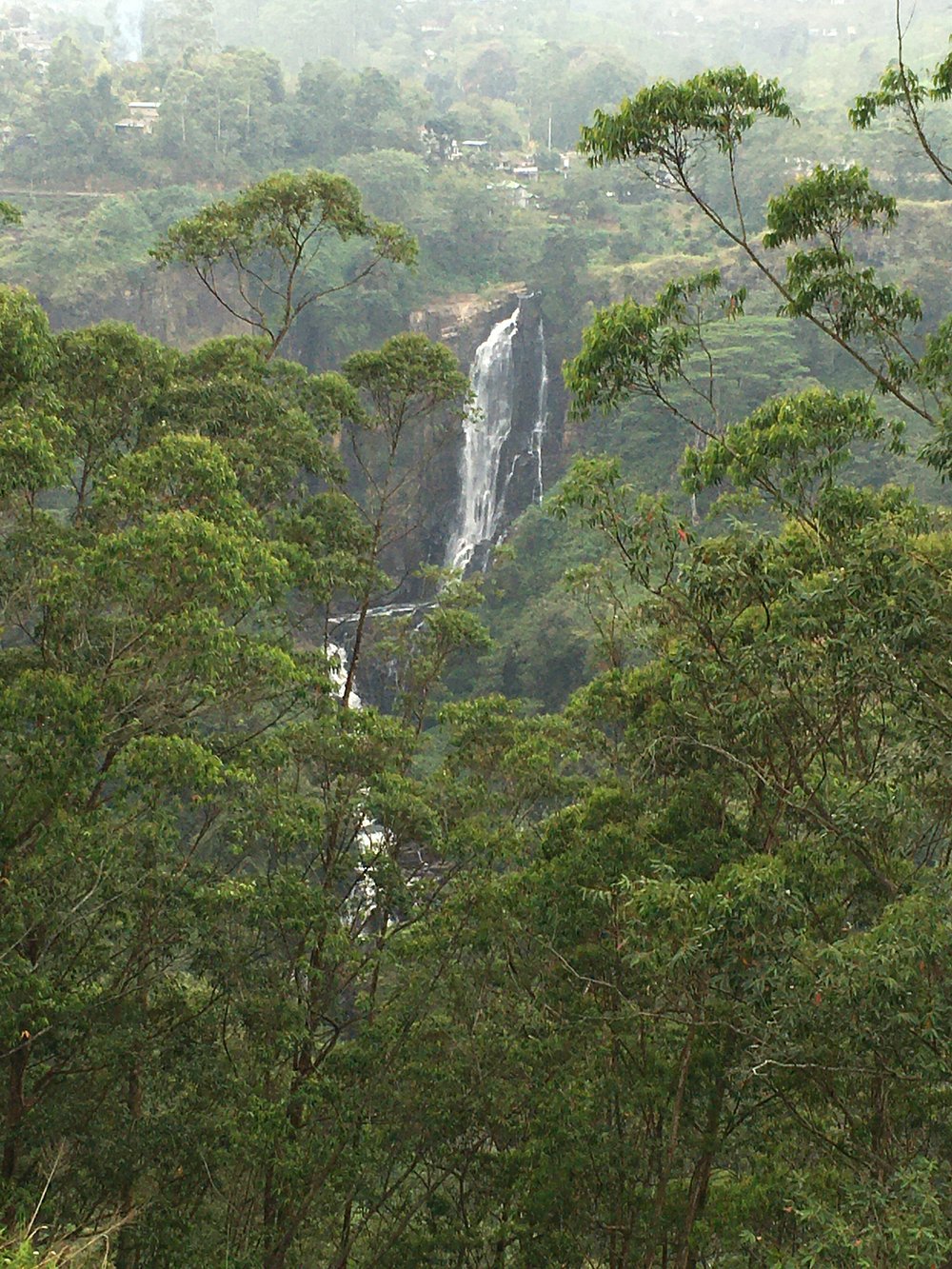
Sri Lanka is one of the most waterfall-rich countries in Asia, with over 400 recorded waterfalls scattered across its central highlands, rainforests, and tea country. I’ve visited dozens of them personally, from the towering Bambarakanda to the hidden natural pools at the top of Diyaluma, and every single one offers something genuinely different.
This guide covers the highest waterfalls, the most beautiful ones, the easiest ones to reach from Colombo, and honest practical advice on when to go, what to bring, and what nobody tells you before you arrive.
Sri Lanka officially has over 400 recorded waterfalls, making it one of the densest waterfall countries in all of Asia relative to its size. Most are concentrated in the central highlands, particularly in Nuwara Eliya, Badulla, Ratnapura, and Kandy districts. The combination of heavy monsoon rainfall and steep mountain terrain creates perfect conditions for spectacular cascades.
Many of these waterfalls are unnamed and rarely visited, which is part of what makes exploring Sri Lanka’s hill country so rewarding. For every famous waterfall, there are five more hidden ones waiting just off the main road.
Here are the tallest and most impressive waterfalls ranked by height, with real visitor information for each:

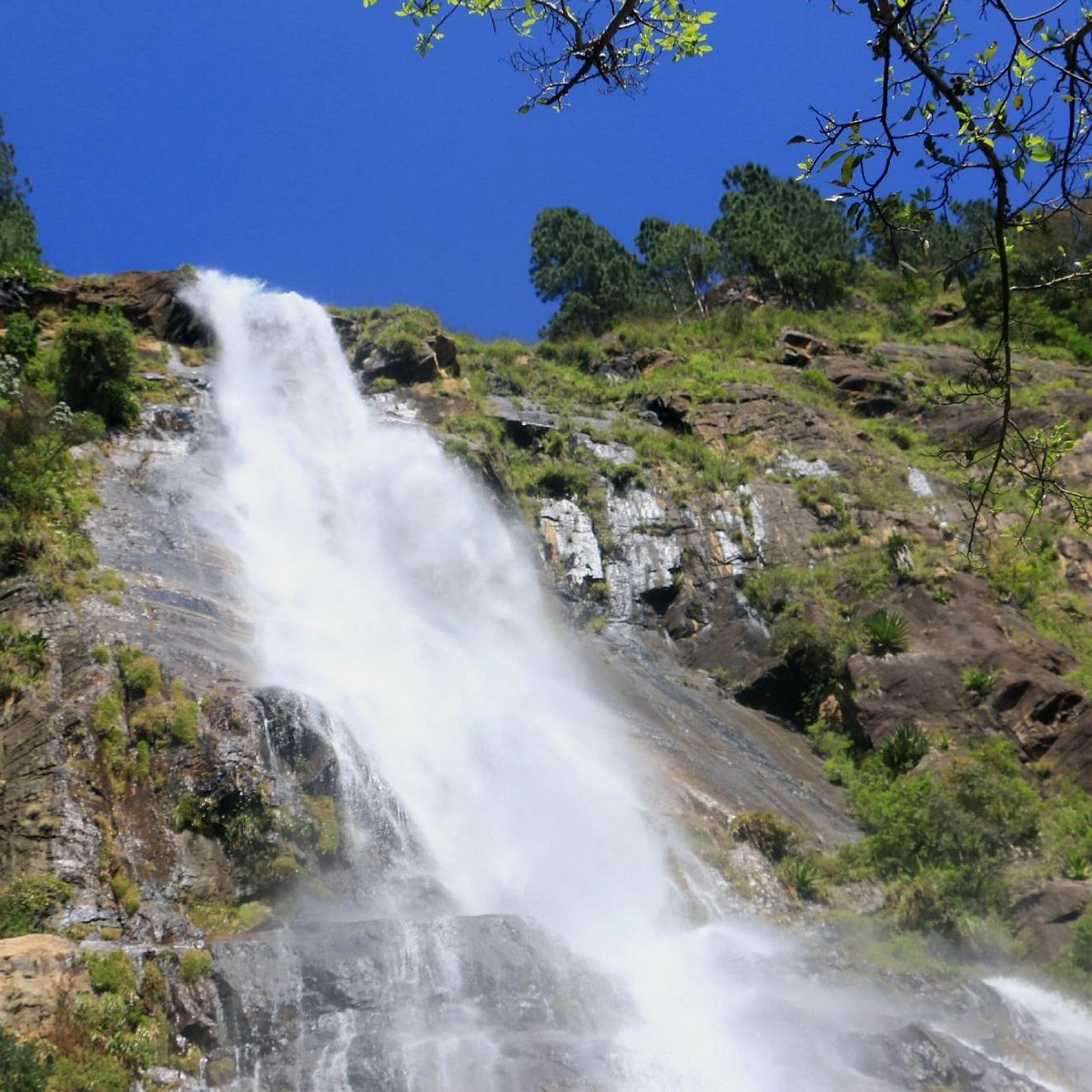
Bambarakanda is the undisputed king of Sri Lankan waterfalls. Standing at 263 metres, it's surrounded by pine forests and on a clear day the views across the valley are genuinely breathtaking. The fall is thin and elegant, like a silver ribbon dropped from the sky, rather than a wide roaring cascade.
• Location: Kalupahana, Badulla District
• Distance from Colombo: ~200 km (approx. 5 hours)
• Best time: May–July or November–January (after rains, most powerful flow)
• Tip: Visit in the morning before mist rolls in — afternoon views can be obscured
• Entry fee: Small fee applies (around LKR 200–400)
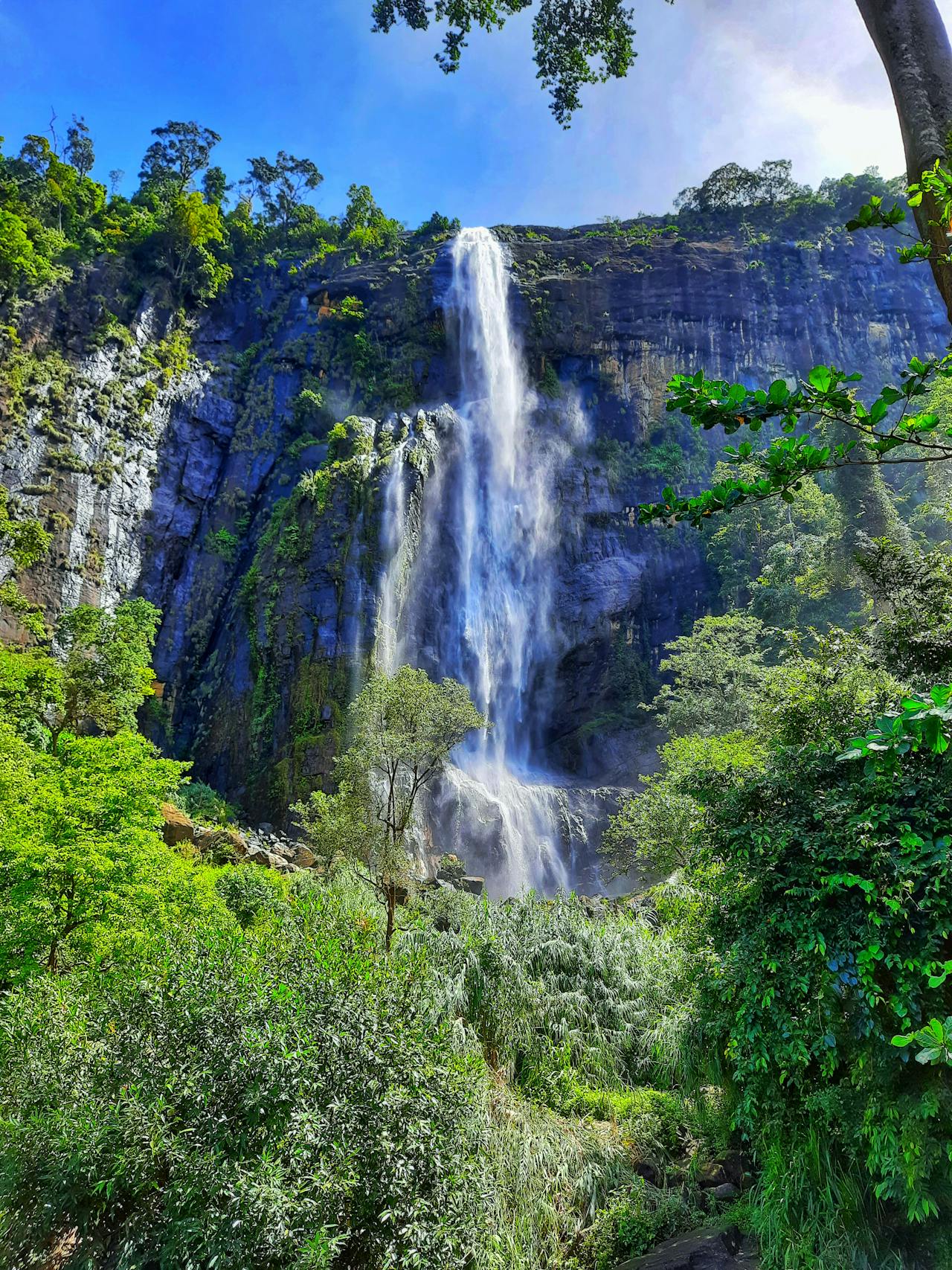
Diyaluma is my personal favourite. Yes, it's 43 metres shorter than Bambarakanda — but what makes it extraordinary are the natural infinity pools at the very top. After a 45-minute hike up the side of the falls, you arrive at a series of crystal-clear rock pools with panoramic views over the valley. On a sunny day, it's one of the most stunning spots in all of Sri Lanka.
• Location: Koslanda, Badulla District
• Distance from Colombo: ~210 km (approx. 5.5 hours)
• Hike difficulty: Moderate — wear proper shoes, the path is rocky
• Best time: Early morning — fewer crowds, better light for photos
• Don't miss: The top pools — most visitors only see the base and leave without experiencing the best part
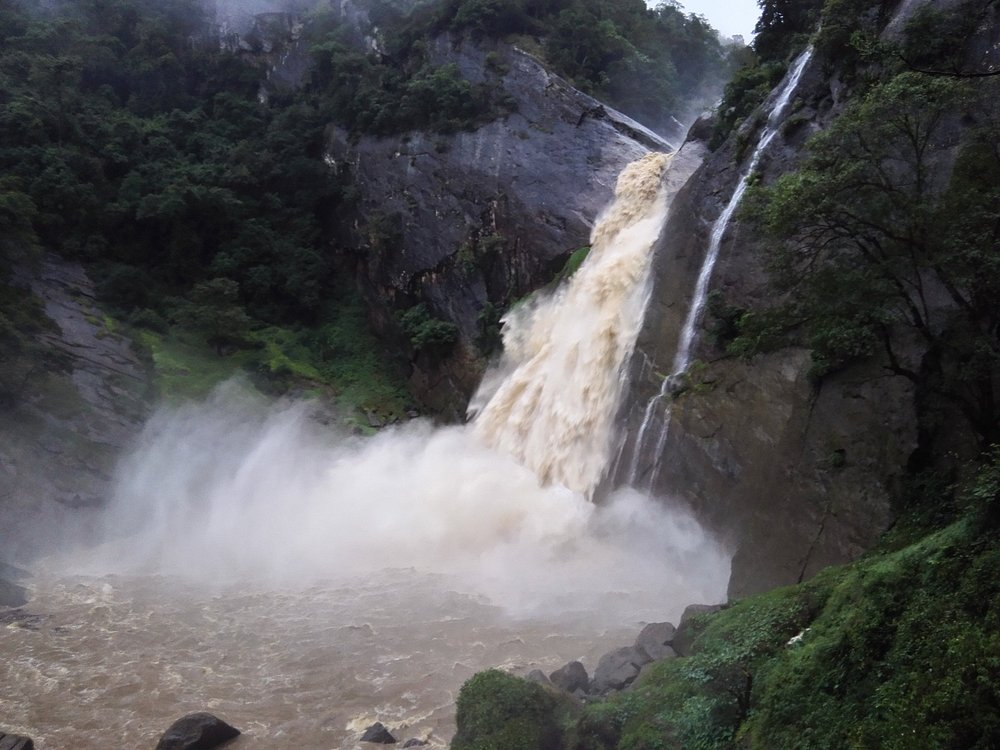
Dunhinda is famous for the constant mist it throws off — dunhinda literally means "misty" in Sinhala. The walk to the falls takes about 30 minutes through dense jungle and feels like entering another world. The roar of the falls gets louder as you approach, and the final reveal is genuinely dramatic.
• Location: Near Badulla town (very accessible)
• Walk: 1.5 km jungle trail — easy to moderate
• Tip: Wear clothes you don't mind getting wet — the mist soaks you before you even reach the falls
Height isn’t everything. These waterfalls are famous for their scenery, accessibility, and visual impact:
Ravana Falls sits right next to the Ella–Wellawaya road and is one of the most photographed waterfalls in Sri Lanka — partly for its beauty, partly for its connection to the Ramayana legend (King Ravana is said to have hidden Sita in a cave near these falls). It’s wide, accessible, and genuinely impressive after heavy rain.
Called the “Little Niagara of Sri Lanka” for good reason — St. Clair’s is unusually wide for a Sri Lankan waterfall, spreading across the hillside in a broad curtain of white water. The surrounding tea estates make this one of the most scenic waterfalls stops in the hill country.
Devon Falls drops 97 meters through a lush tea estate valley. It’s one of the most beautiful waterfalls to photograph in Sri Lanka because the green tea fields frame the white cascade perfectly. Easily visible from the road, no hiking required.
Short on time? These waterfalls are reachable from Colombo within 2–3 hours:
Sri Lanka has two monsoon seasons that affect different parts of the island differently — this is important to understand before planning your trip:
Honest advice: I’ve visited Diyaluma in March and it was still beautiful — the pools at the top were perfect for swimming because the flow was gentle. Don’t let the “off season” put you off entirely.
Looking for your next big adventure? Don’t stop here! We have a whole world of experiences waiting for you. Dive into our full range of handpicked tour packages to find your perfect match.
Sri Lanka has over 400 recorded waterfalls, most concentrated in the central highlands around Nuwara Eliya, Badulla, Ratnapura, and Kandy. Many more remain unofficial and unnamed, especially deep in jungle areas.
Bambarakanda Falls in the Badulla District, standing at 263 metres (863 feet). It is surrounded by pine forests and is one of the most impressive natural landmarks in the country.
Yes. Bopath Ella Falls in Ratnapura is around 2.5 hours from Colombo and makes an excellent day trip. Aberdeen Falls is about 4 hours away but equally worth it. Both are accessible by private car or organised tour.
For maximum water flow, visit during or just after the monsoon seasons: April–June (southwest) and October–December (northeast). However, most waterfalls remain beautiful year-round due to Sri Lanka’s tropical climate
Some waterfalls have safe designated swimming areas, especially the top pools at Diyaluma. Swimming at the base of active falls, particularly after heavy rain, is dangerous due to strong currents. Always check local conditions and follow any posted signs.